


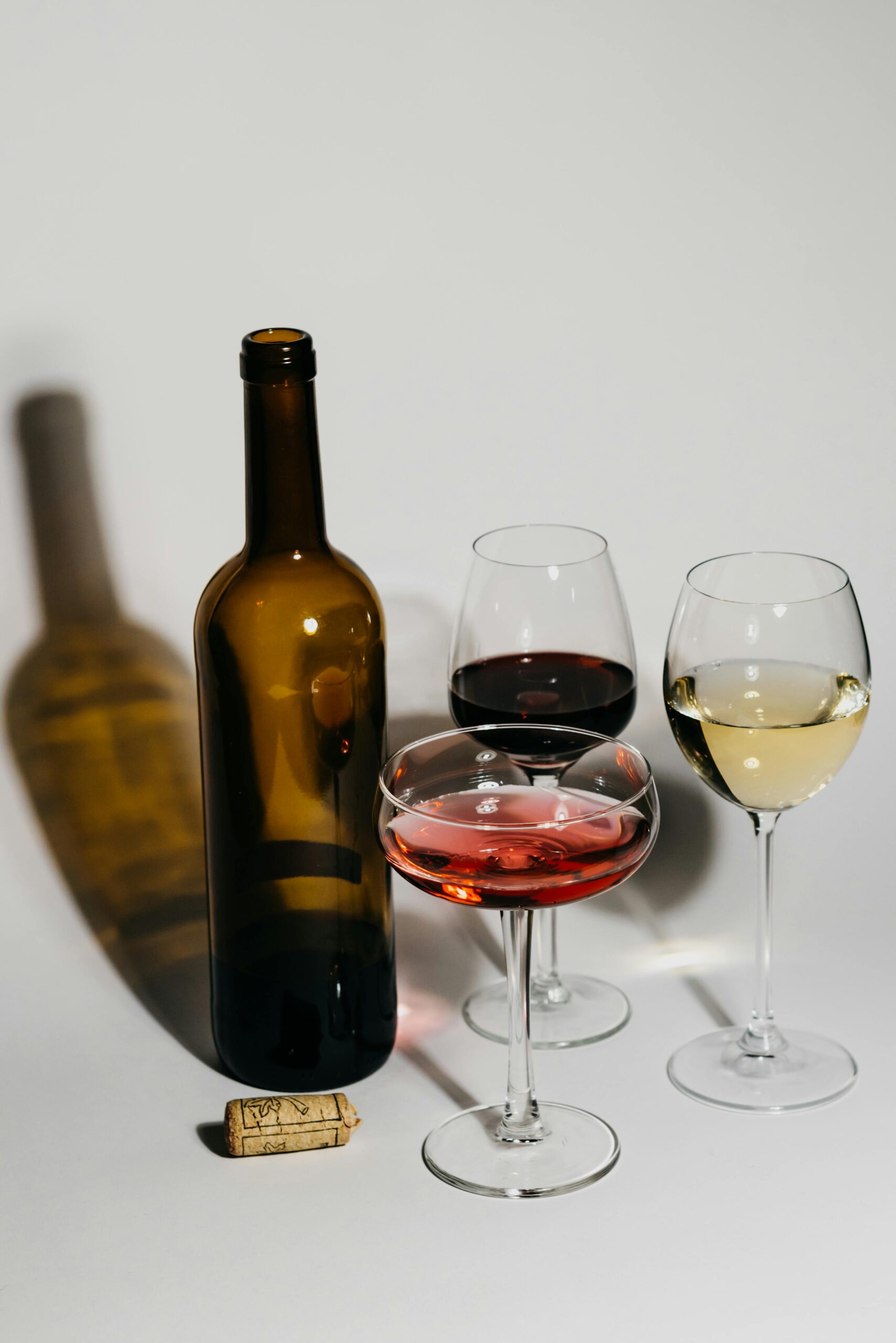
You’ll find both classic vinifera and hardy hybrids thriving along Niagara’s lake-moderated slopes, with Riesling, Chardonnay, Pinot Noir, Cabernet Franc, and Gamay among the region’s most successful varieties. These grapes consistently produce the region’s notable cool-climate whites, elegant reds, and world-class icewines because Niagara’s soils and microclimates suit their ripening needs.
Explore how each variety expresses itself here — Riesling’s bright acidity, Chardonnay’s crisp texture, Pinot Noir’s delicate red-fruit notes, Cabernet Franc’s herbal structure, and Gamay’s fresh, fruity character — and why growers choose them for specific vineyard sites and wine styles. This article What grapes grow well in the Niagara wine region? will guide your taste expectations and help you understand which bottles capture Niagara’s terroir most clearly.
Top Grape Varieties Thriving in Niagara
The region favors cool-climate whites and early- to mid-ripening reds that handle cold winters and benefit from long, warm autumn nights. Soil diversity and lake moderation let you grow both classic vinifera and disease-resistant hybrids with good quality potential.
Vitis vinifera Varieties
You’ll find several vinifera that consistently perform in Niagara because they ripen reliably and retain acidity. Riesling is a mainstay: it keeps high natural acidity, expresses terroir, and is ideal for dry and icewine styles. Chardonnay adapts across soils; you can make lean, mineral examples or fuller oak-aged wines depending on site and clonal choice.
For reds, Cabernet Franc is the most widely planted Bordeaux-style grape; it ripens earlier than Cabernet Sauvignon and produces medium-bodied wines with peppery herbal notes. Pinot Noir succeeds on cooler, well-drained sites and requires careful canopy and yield control to avoid under- or over-ripeness. These vinifera reward site selection and attentive viticulture.
Hybrid Grapes
Hybrids give you winter hardiness and disease resistance while still making high-quality wines. Baco Noir and Maréchal Foch provide reliable red production on marginal sites and deliver approachable fruit-forward wines. Frontenac and Corot Noir are valuable for very cold pockets and can produce deeply colored, high-acid wines suited to both still and fortified styles.
On the white side, hybrids like Vidal dominate icewine production because they tolerate late-harvest conditions and freeze reliably. Hybrids reduce crop loss risk and can lower spray frequency, which helps you manage costs and sustainability without sacrificing commercial quality.
Climate Adaptations
Niagara’s climate control comes mainly from the Great Lakes and local mesoclimates; you should match variety to micro-site. Plant reds like Pinot Noir and Cabernet Franc on south- or southeast-facing slopes with shallow, well-drained soils to maximize heat accumulation and limit frost risk.
Use espalier or vertical shoot positioning to improve air flow and sunlight exposure, reducing disease pressure in humid periods. For cold protection, choose hybrids or vinifera clones with proven bud survival, and plan canopy and pruning to avoid late-spring frost vulnerability. Monitor seasonal heat sums to decide harvest windows and target styles.
Distinctive Flavor Profiles and Wine Styles
Niagara produces vibrant whites with bright acidity, structured reds with moderate tannin, and intensely sweet, concentrated Icewine. Each style reflects cool-climate freshness, ripe aromatics, and the region’s long autumns that favor sugar accumulation.
White Wines
You’ll find Riesling and Chardonnay leading white production. Riesling offers crisp lime, green apple, and petrol notes at higher ripeness; it retains high acidity that makes it versatile from dry to off-dry and ageworthy. Chardonnay in Niagara displays green apple, pear, and citrus with subtle stone fruit when riper, and when oak or bâtonnage is used you’ll notice toast and cream textures.
Other whites—like Gewürztraminer and Vidal—bring pronounced aromatics. Gewürztraminer gives lychee, rose petal, and spice, best drunk young to capture floral lift. Vidal contributes tropical fruit and honeyed layers, often seen in late-harvest or Icewine styles. Expect bright acidity across whites that balances fruit and enables food pairing.
Red Wines
Cabernet Franc, Pinot Noir, and Gamay are your primary reds in Niagara. Cabernet Franc yields red cherry, bell pepper, and herbal notes with medium tannins and good acidity; it performs well in cooler sites and can show elegant structure when fully ripe. Pinot Noir shows cranberry, raspberry, and earthy mushroom character; look for lighter-bodied, delicate examples best consumed young to mid-term.
Gamay produces juicy, easy-drinking wines with bright red fruit, floral edges, and modest tannin—often released early. Bordeaux reds (Cabernet Sauvignon, Merlot) appear where warmth and site permit; they present darker fruit and firmer tannin but are less widespread. Overall, expect reds to emphasize freshness and balance rather than high alcohol or heavy extraction.
Icewine Grapes
Vidal and Riesling dominate Icewine production, with Cabernet Franc and others used less often. Vidal’s thick skins and late-ripening habit let it concentrate sugars and acids under frozen-harvest conditions, producing honeyed apricot, peach, and marmalade flavors with a viscous texture. Riesling Icewine keeps piercing acidity that counterpoints intense stone-fruit and citrus marmalade aromatics, often showing petrol hints as it ages.
Icewine demands fruit harvested and pressed while frozen, giving extremely high sugar and concentrated acids. You’ll notice intense sweetness tempered by lively acidity, vivid fruit purity, and a long finish—qualities that make Niagara Icewine a distinctive dessert wine you can cellar for many years.