


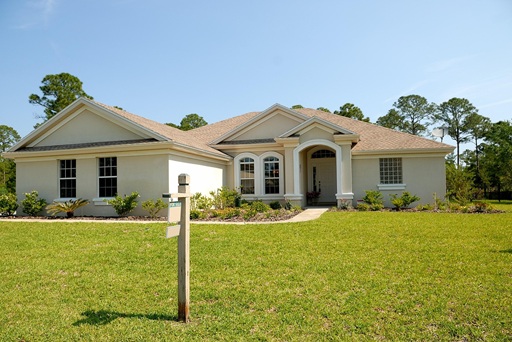
You want a home that matches your life, not a one-size-fits-all plan. A high-end custom home builder turns your priorities—site, materials, finishes, and timeline—into a coordinated plan that delivers quality, longevity, and distinct style. This post High End Custom Home Builder shows what separates exceptional builders from good ones and how those differences shape your final home.
Expect clear guidance on the hallmarks of luxury builds and the practical steps to choose a builder who protects your budget, schedule, and design intent. Follow along to learn which questions to ask, which trades and systems matter most, and how to spot builders who consistently produce lasting, tailored results.
Key Characteristics of High-End Custom Homes
You should expect precise design intent, hand-selected materials, and seamless tech that anticipates daily needs. These elements shape living spaces that perform well, look refined, and hold long-term value.
Distinctive Architectural Design
Your home’s architecture should reflect a clear concept tailored to your lifestyle and site. Expect custom massing, careful orientation for light and views, and structural moves—like large cantilevers or expansive spans—to create memorable spaces that standard plans can’t offer.
Plan for thoughtful circulation: sightlines, indoor–outdoor transitions, and deliberate ceiling heights to define rooms without relying solely on finishes. Work with architects who produce detailed elevations, section drawings, and 3D studies so you can evaluate proportion, material transitions, and how natural light changes throughout the day.
Insist on site-specific responses: sun/shade studies, prevailing wind considerations, and landscape integration. These choices affect comfort, energy use, and the long-term performance of the design.
Premium Materials and Finishes
You should choose materials for durability, provenance, and tactile quality, not just appearance. Common high-end selections include full-bed natural stone, quarter-sawn hardwoods, low-VOC custom paints, and metalwork finished to millimetric tolerances.
Specify long-life systems: water-resistant assemblies, thermal breaks in window frames, and properly detailed flashing. Ask for mock-ups of critical conditions—kitchen islands, exterior cladding junctions, and custom millwork—to confirm color, grain direction, and seam alignment before installation.
Balance visible luxury with behind-the-wall quality: high-efficiency mechanical equipment, premium insulation, and high-grade fasteners. These details reduce maintenance, improve comfort, and protect your investment.
Advanced Technology Integration
Your tech should simplify daily life while remaining unobtrusive. Implement a centralized control platform that manages lighting scenes, climate zones, security, audio/video distribution, and motorized shading with single-touch presets.
Prioritize reliable infrastructure: structured wiring, redundant network paths, and separate circuits for sensitive equipment. Use enterprise-grade switches, PoE lighting controls, and scalable servers so the system adapts as new devices arrive.
Include discreet user interfaces: wall keypads, mobile apps, and voice control tuned to avoid false activations. Require detailed documentation, labeling, and training at handover so you can operate, maintain, and expand systems without needing constant vendor support.
Selecting the Right Builder for Luxury Projects
Choose a builder with demonstrable luxury experience, a detailed portfolio you can verify, a collaborative process that protects your design intent, and clear aftercare and warranty commitments. These factors determine build quality, schedule reliability, and your long‑term peace of mind.
Essential Qualifications and Experience
Look for builders with at least 8–10 years focused on high‑end custom homes and multiple completed projects over $1M in your market. Confirm licensure, active insurance (general liability, workers’ comp), and membership in recognized industry bodies such as local home builders’ associations or luxury home councils.
Verify a team structure that includes a lead project manager, in‑house superintendent, and dedicated client coordinator. Ask for résumés or bios for the architect partners, key trades, and artisans who will execute bespoke elements. Insist on evidence of quality control processes: punch‑list protocols, third‑party inspections, and thermal/air‑sealing testing where applicable.
Portfolio Evaluation and Client References
Request a curated portfolio of three recently completed projects similar in scale, style, and systems to your plan. Visit at least one finished home and one active job site. Take pictures, note material quality, and evaluate finish consistency in areas like millwork joints, tile grout lines, and metal fittings.
Ask for five client references and specific questions: how closely the budget tracked, change‑order frequency and cost, communication cadence, and how warranty items were handled. Follow up with trade subcontractors for honesty about payment timeliness and site coordination. Compile findings in a comparison table to weigh risks and strengths.
Collaborative Design and Build Process
Confirm the builder’s standard process steps, timelines, and your points of involvement—schematic review, design development, selection signoffs, and mock‑ups. Ensure they use a shared project platform (e.g., Procore, Buildertrend) for schedules, RFIs, submittals, and daily logs so you can see real‑time progress and documentation.
Clarify decision windows and cost impacts for changes after contract signing. Insist on an allowance and contingency structure with transparent rates for markups on selections and changes. Require design‑assist or integrated design‑build options when you need early contractor input on structural systems, MEP coordination, or value engineering.
Warranty, Support, and Aftercare
Confirm a written warranty package covering structural elements, building envelope, and finish work with clear timeframes (example: 10‑year structural, 2‑5 year systems, 1‑year workmanship). Ensure the contract defines claim procedures, response times, and escalation paths for unresolved issues.
Ask about preventative maintenance plans, seasonal inspections (roof, HVAC, envelope), and whether the builder provides a homeowner handover binder with as‑built drawings, system manuals, and supplier contacts. Verify the availability of a local service team for rapid response rather than relying solely on remote support.