


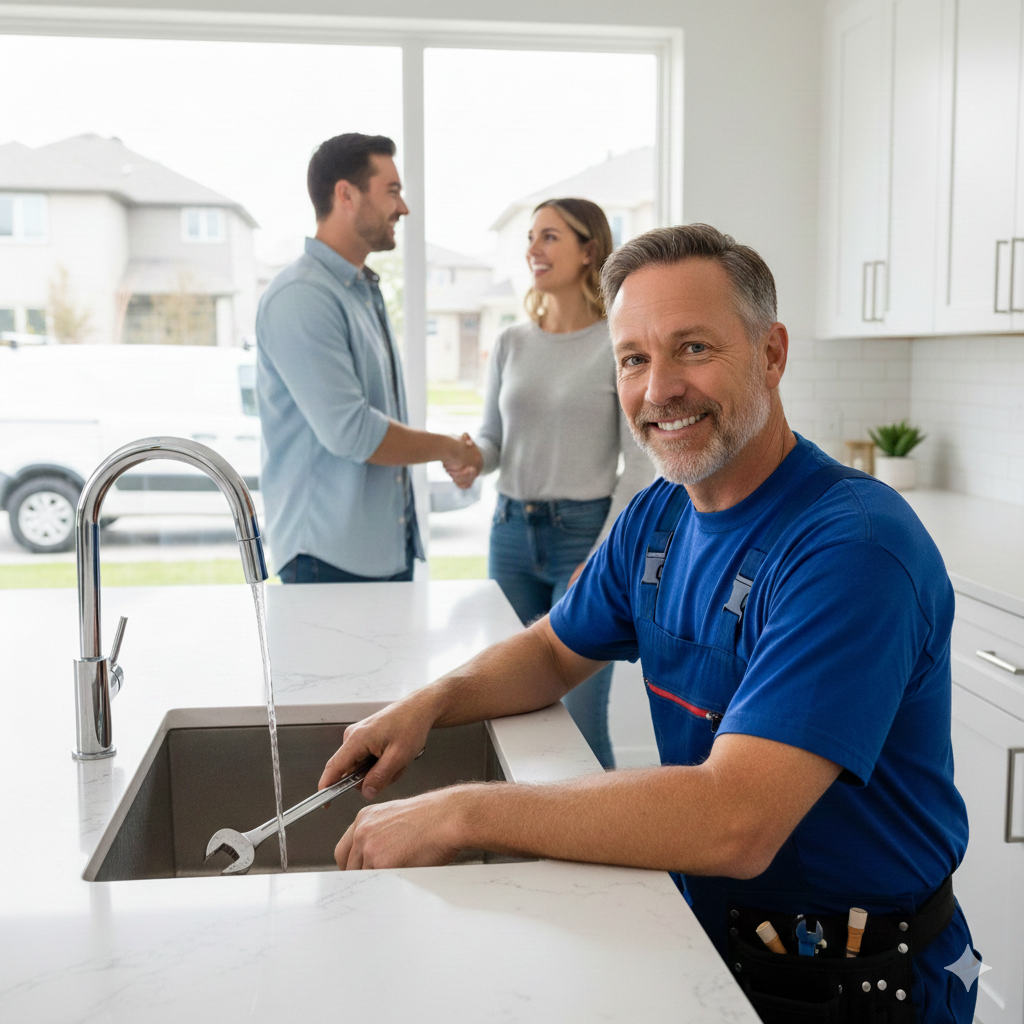
You want a reliable plumbers nearby fast and you want to know how to pick one that won’t make the problem worse. Start by focusing on immediate needs—whether it’s a leak, a clogged drain, or a sudden loss of hot water—and look for licensed professionals with clear contact info, local reviews, and transparent pricing.
This article Plumbers Near Me shows how to evaluate plumbing services, recognize the signs that require professional help, and find trustworthy options near you without wasting time. Expect practical tips for vetting licenses, comparing quotes, and spotting when a DIY fix becomes risky, so you can act confidently and avoid costly surprises.
Evaluating Plumbing Services
Focus on credentials, the exact services offered, and real-world responsiveness. Those factors determine cost, safety, and how quickly you can get repairs done.
Essential Qualifications to Look For
Check for a Gas Safe registration if work involves gas appliances, and confirm licence numbers before hiring. For general plumbing, look for NVQ or City & Guilds certificates and ask for proof of insurance—public liability and employer’s liability cover you if something goes wrong.
Verify membership in trade bodies like WaterSafe or equivalent, which shows compliance with water fittings regulations. Request references or recent job photos to confirm experience with the specific task you need, such as boiler installs, bathroom refits, or unblocking drains. Keep copies of qualifications and IDs on file.
Comparing Service Offerings
List the exact services you need, then match them to each plumber’s advertised capabilities. Typical services include leak repair, boiler servicing, bathroom/kitchen installations, and emergency 24/7 call-outs; not every plumber provides all of these.
Use a simple table to compare practical details:
| Service | Emergency Response | Warranty | Typical Cost Range |
| Boiler repair | Often 24/7 | 12 months+ | £60–£250+ |
| Bathroom fit | By appointment | Product & labor | £800–£5,000+ |
| Leak detection | Often same-day | Depends | £50–£300+ |
Ask about parts sourcing, whether they subcontract, and whether quotes are fixed-price or hourly. Confirm exclusions in quotes to avoid surprise charges.
Assessing Reliability and Responsiveness
Check recent customer reviews on multiple platforms and note response times and punctuality. Prefer tradespeople with several recent, location-specific reviews mentioning timely arrival and clear communication.
Ask about guaranteed response windows for emergencies and whether there’s a dedicated emergency number. Confirm how they handle after-hours calls and call-out fees. Get estimated arrival times in writing and request progress updates during larger jobs so you can hold the plumber accountable.
Signs You Need Professional Plumbing Help
You should call a plumber when problems risk property damage, health hazards, or when repairs exceed basic tools and skills. Immediate attention and specialist equipment are often required for leaks, sewage issues, and persistent failures.
Common Plumbing Emergencies
Burst pipes, active sewage backups, and uncontrolled leaks demand urgent professional response. A burst pipe can flood multiple rooms within minutes; shut off your main valve and call a plumber who can locate the break, replace pipe sections, and assess water damage. Sewage backing into fixtures creates a biohazard and requires a plumber with a camera inspection and a hygienic pump-out and line repair plan.
Loss of hot water from the whole house, major gas-smell near a water heater, or sudden total loss of water pressure are also emergencies. These often involve failing water heaters, main line collapses, or municipal supply issues that only a licensed pro should diagnose and fix.
Recurring Issues That Require a Specialist
If clogs return after snaking or plunging, you likely have a deeper obstruction, tree root intrusion, or damaged sewer pipe. A plumber will use video inspection and hydro-jetting or pipe replacement rather than repeated temporary fixes. Frequent low water pressure in multiple fixtures points to corroded pipes, a failing pressure regulator, or a hidden leak; proper diagnosis needs pressure testing and pipe assessment.
Constantly running toilets, recurring faucet leaks after replacement, or fluctuating hot-water temperatures indicate worn valves, incorrect installation, or water heater faults. A professional can replace components with the correct parts, adjust system settings, and verify repairs with follow-up testing.