


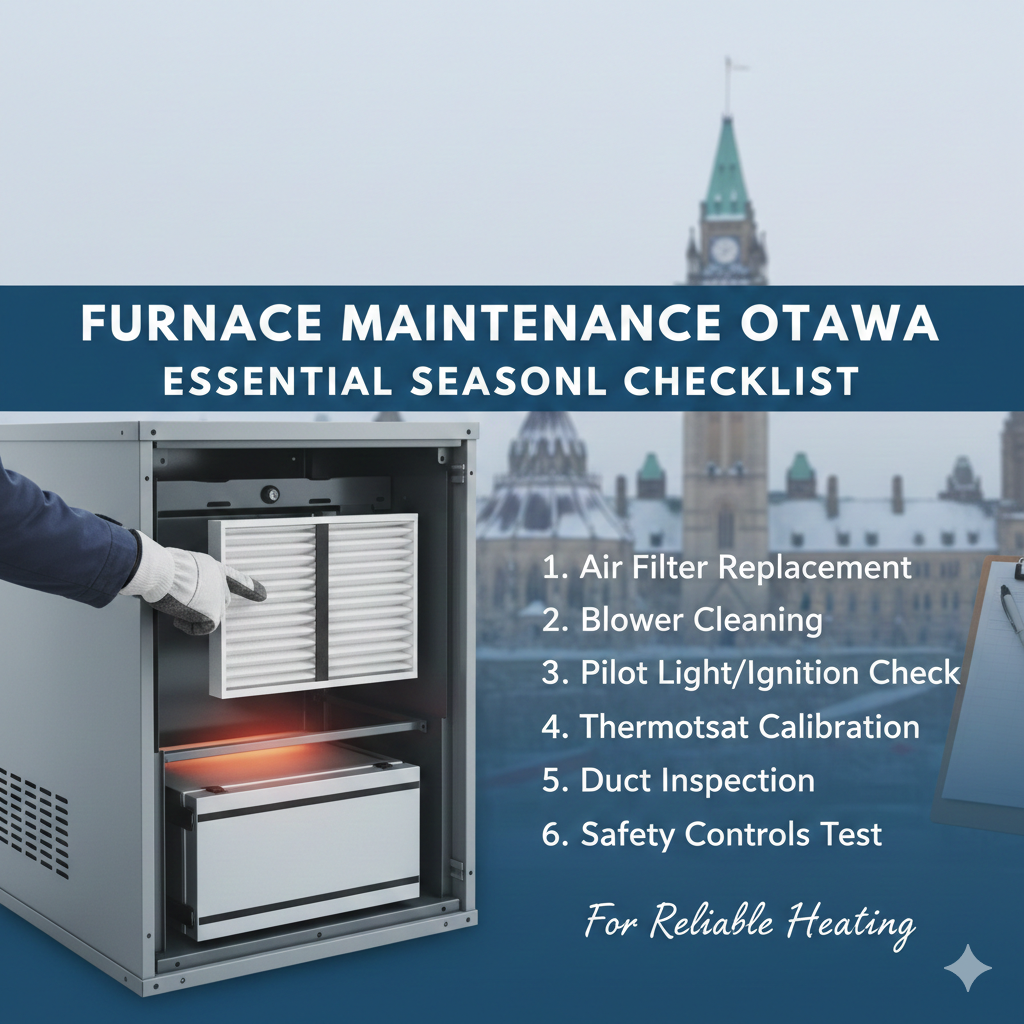
When your HVAC fails at the worst possible time, you need clear steps and quick decisions to protect your home and health. If your system HVAC Repair Emergency shows no cooling or heating, emits unusual smells, or causes electrical tripping, treat it as an emergency and contact a qualified 24/7 technician immediately.
You’ll learn how to spot critical signs that warrant immediate action and what safe, practical measures you can take while help is on the way. This post guides you through recognizing dangerous symptoms, stabilizing the situation, and getting the right emergency service fast so you regain comfort and avoid costly damage.
Recognizing Critical HVAC Issues
You need to spot specific symptoms quickly so you can protect your home, health, and equipment. The next items list clear signs, immediate hazards, and the typical causes that demand urgent professional attention.
Warning Signs of System Failure
Watch for sudden loss of heating or cooling without a change to thermostat settings. If the system shuts off completely or cycles on and off rapidly, you likely face a control, compressor, or capacitor failure that needs a technician.
Listen for abnormal noises: loud banging, grinding, or high-pitched screeching indicate loose or failing mechanical parts such as fan motors, belt failure, or debris in the blower. Persistent ice on the evaporator coil or water pooling around the indoor unit points to refrigerant leaks, blocked condensate drains, or failed pumps.
Monitor odors and electrical behavior. Burning smells, rotten-egg gas, or persistent mildew require immediate investigation. If breakers trip when the HVAC runs, or you see sparking at the unit, cut power and call a professional to avoid fire or electrical damage.
Safety Concerns and Immediate Risks
Treat any smell of gas or burning as an immediate evacuation trigger. Natural gas or strong electrical burning odors can indicate leaks or overheated components; you should leave the house and call emergency services before contacting HVAC.
Carbon monoxide symptoms—headache, dizziness, nausea—combined with a gas-fired furnace problem constitute a life-threatening emergency. Install CO detectors and, if they alarm, move to fresh air and call emergency responders and a qualified HVAC technician.
Water leaks that soak ceilings, floors, or electrical panels create both structural and electrocution hazards. Shut off the HVAC and the home’s water or power if safe, then contact a licensed contractor to stop water ingress and repair damaged electrical systems.
Common Causes of Emergency Breakdowns
Neglected maintenance ranks highest: dirty filters, clogged coils, and missed refrigerant checks accelerate wear and trigger sudden failures. Replace filters regularly and schedule annual inspections to catch small problems before they become emergencies.
Electrical component failure—failed capacitors, relays, or contactors—often causes abrupt unit shutdowns or sparks. These parts degrade over time and under thermal stress; professionals can test and replace them safely.
Mechanical wear and external damage also cause emergencies. Compressor seizures, fan motor burnout, and storm damage (fallen limbs, flooding) can render a system inoperable. Prompt professional assessment reduces repair costs and prevents secondary damage to ductwork and insulation.
Responding to Urgent HVAC Situations
Act quickly and safely to stabilize the system, choose a qualified technician, and take steps that limit further damage until repairs occur. Prioritize immediate risks like fire, gas leaks, or water flooding, then focus on containment and documentation.
What to Do Before Professional Help Arrives
If you smell gas, leave immediately and call your gas company or 911 from a safe location. For electrical burning smells or smoke, cut power at the main breaker and evacuate if needed.
Shut off the HVAC system at the thermostat and use the breaker if the unit keeps running. This prevents short-circuits, compressor damage, or further flooding from a failed condensate line.
Contain water with buckets, towels, or a wet/dry vacuum to protect floors and drywall. Place a drain pan under leaking areas and move electronics or valuables away from affected zones.
Document the situation: take time-stamped photos and note noises, odors, and circumstances leading to the failure. These records help the technician diagnose fast and support warranty or insurance claims.
Selecting a Qualified Emergency Technician
Call a locally licensed HVAC contractor with 24/7 emergency service and proof of liability insurance. Ask for the technician’s license number, response ETA, and whether they carry parts common to your system (motors, capacitors, control boards).
Confirm technician experience with your system type—furnace, heat pump, or packaged rooftop unit—and request references or recent reviews from customers in your neighborhood. If your system is under manufacturer warranty, check whether the tech is an authorized service provider.
Get a clear estimate before work begins, including emergency call fees, labor rate, and parts markup. Ask about temporary fixes versus permanent repairs so you understand immediate costs and follow-up needs.
Minimizing Long-Term Damage
After the technician stabilizes the system, schedule any recommended replacements promptly to avoid repeat failures. Replace compromised components (compressors, control boards, or corroded coils) rather than applying repeated temporary fixes.
Inspect and restore affected building materials: dry out insulation, cut out saturated drywall, and sanitize to prevent mold. For water-related failures, document remediation steps for insurance and confirm dehumidification until moisture levels return to normal.
Set up preventive measures: install surge protection, replace aging capacitors and belts on a schedule, and enroll in a maintenance plan with seasonal tune-ups. Keep clear access to equipment and maintain the condensate drain and air filters to reduce recurrence.