


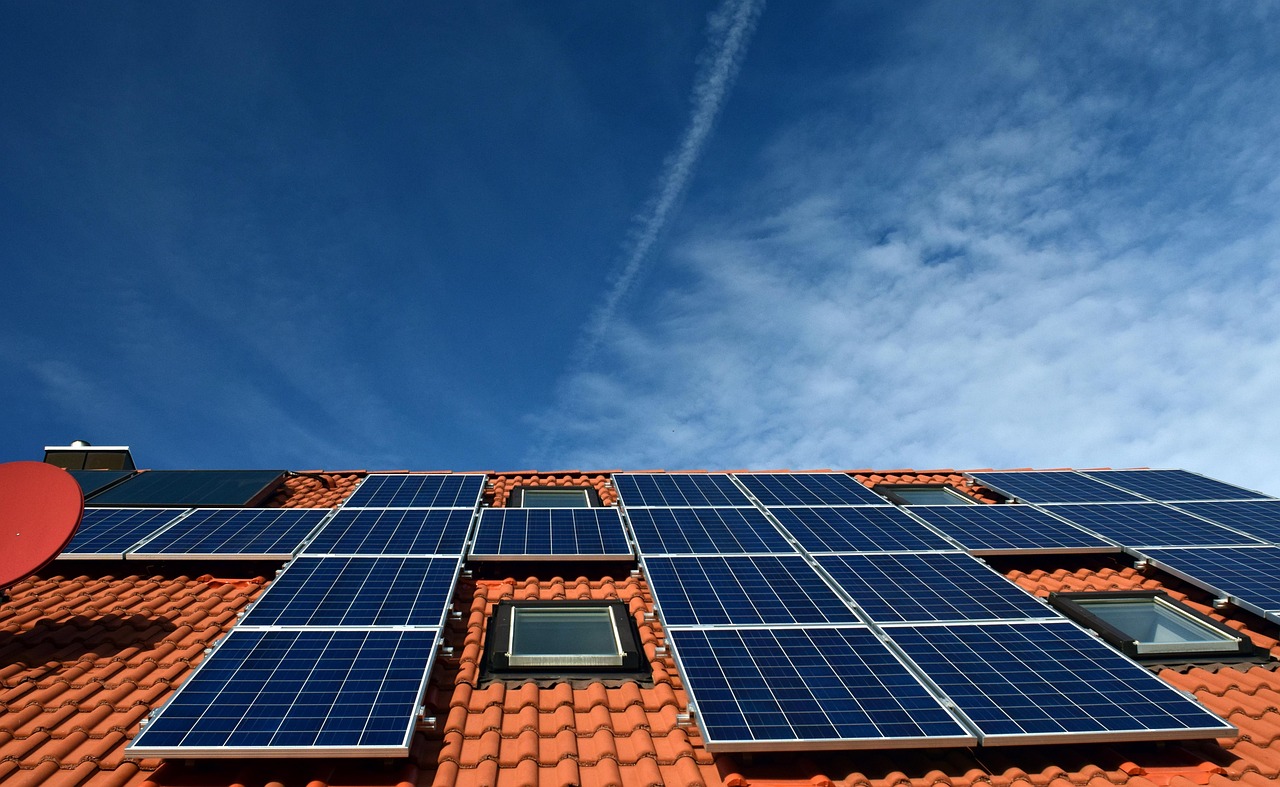
You can turn parts of your building—roof, façade, or even windows—into functional surfaces that generate electricity while serving as construction materials. Building-integrated solar panels (BIPV) replace conventional building elements with photovoltaic components, letting you save space, preserve aesthetics, and produce on-site clean power.
This post Building Integrated Solar Panels will walk you through the core technologies and materials behind BIPV, and the practical design strategies for integrating them into real projects so you can evaluate performance, costs, and appearance for your situation. Expect clear comparisons with traditional rooftop systems, guidance on materials like semi-transparent and flexible modules, and implementation steps that help you decide whether BIPV suits your building goals.
Key Technologies and Materials
This section identifies the primary photovoltaic technologies, the material choices that affect durability and appearance, and how modules physically join with roofs, façades, or glazing systems.
Photovoltaic Cell Types
You should choose PV cell types based on efficiency, cost, and aesthetic needs. Monocrystalline silicon offers the highest commercial efficiencies (typically 20–23% for modules) and fits well where roof area is limited. It appears dark and uniform, which many architects prefer.
Polycrystalline silicon is less costly with slightly lower efficiency (about 15–18%). It shows a speckled blue look and suits budget-sensitive projects with larger installation areas.
Thin-film options — including amorphous silicon, CIGS (copper indium gallium selenide), and CdTe (cadmium telluride) — provide flexibility and lighter weight. CIGS supports semi-transparent and curved applications and balances moderate efficiency with better aesthetic integration.
Perovskite and tandem perovskite-silicon cells are emerging for higher theoretical efficiencies and semi-transparency, but you should account for stability and long-term degradation risks in current products.
Advanced Building Materials
Select materials that serve structural, thermal, and fire-safety roles in addition to hosting PV. Tempered or laminated glass is common for BIPV glazing; choose low-iron glass for higher optical clarity when maximizing energy yield matters. Use PVB or EVA laminates for electrical isolation and mechanical bonding.
Metal roofing materials paired with integrated PV often use aluminum or steel substrates with corrosion-resistant coatings and thermal breaks to limit heat transfer into the building. For façades, ventilated rainscreen assemblies with PV panels improve cooling and maintenance access.
Encapsulation materials and edge seals determine moisture ingress resistance. Specify UV-stable, low-moisture-permeability encapsulants and robust edge sealing systems to extend service life. Also check fire ratings and local code compliance.
Integration with Building Facades
You will need to plan structural mounting, wiring routes, and maintenance access early in design. BIPV modules can replace cladding panels, be mounted as curtain-wall elements, or form part of window systems with semi-transparent cells.
Design for wind and snow loads by using manufacturer-approved mounting brackets and load-rated fixings. Integrate inverter location and DC string layout to minimize cable runs and reduce voltage drop. Include access panels or removable modules to enable cleaning and repair.
Consider electrical safety: place rapid-shutdown or module-level power electronics where codes require them, and design clear pathways for conduit and junction boxes that preserve the façade’s weatherproofing.
Design Strategies and Implementation
You’ll need to balance aesthetics, structural capacity, and electrical performance when integrating solar into building envelopes. Prioritize orientation, material compatibility, and maintenance access early in design.
Architectural Considerations
You must treat BIPV elements as both façade/roof materials and electrical components. Decide whether panels act as primary weatherproofing (curtain wall, roof cladding) or as secondary skin over existing membranes; this choice affects flashing, vapor control, and warranty coordination.
Match module geometry, color, and texture to the building language. Use custom-sized modules or thin-film laminates where standard framed panels break sightlines. Plan for junction boxes, routing channels, and inverter locations so they don’t interrupt finished spaces.
Design for maintenance: include access routes, removable panels, and visual inspection points. Coordinate with architects, MEP, and façade contractors to ensure integrated drainage, thermal expansion joints, and cleanable surfaces.
Energy Efficiency Optimization
You must optimize solar yield through orientation, tilt, and shading analysis using site-specific irradiance and hourly simulations. Prioritize south-facing façades in the northern hemisphere and consider tilted arrays on vertical façades to improve winter production.
Integrate BIPV with building systems: locate inverters, combiner boxes, and batteries to minimize DC runs and conversion losses. Use microinverters or power optimizers where partial shading or varied panel orientations occur.
Combine BIPV with energy efficiency measures—high-performance glazing, insulation, and demand control—to reduce the system size needed. Specify monitoring and performance analytics for fault detection and long-term yield verification.
Structural Challenges
You must verify load paths for dead, live, wind, and seismic forces introduced by integrated panels. Engage a structural engineer early to assess parapet details, anchorage points, and any required reinforcement of roof or façade framing.
Consider additional weight for glass-glass modules and snow loads in cold climates. Use flexible attachment systems for thermal movement and specify corrosion-resistant fasteners and secondary supports where water infiltration risk exists.
Address fire and egress requirements: select modules and mounting systems with appropriate fire ratings, and ensure access for firefighting. Detail interfaces to prevent water pooling and to maintain air and vapor barriers.
Urban and Residential Applications
You must adapt strategies to context: dense urban sites need façade-integrated arrays and small-footprint inverters; suburban homes typically use roof-integrated systems with greater tilt and unobstructed exposure.
For high-rise buildings, prioritize façades and cantilevered solar shading devices; perform vertical PV performance modeling to estimate realistic output. For single-family homes, use roof-integrated shingles or glass modules that replace roofing while meeting local permit and warranty requirements.
Address aesthetics and neighborhood standards: use uniform module layouts and coordinated colors to satisfy planning authorities. Provide clear maintenance plans and accessible disconnects to meet utility interconnection and safety codes.