


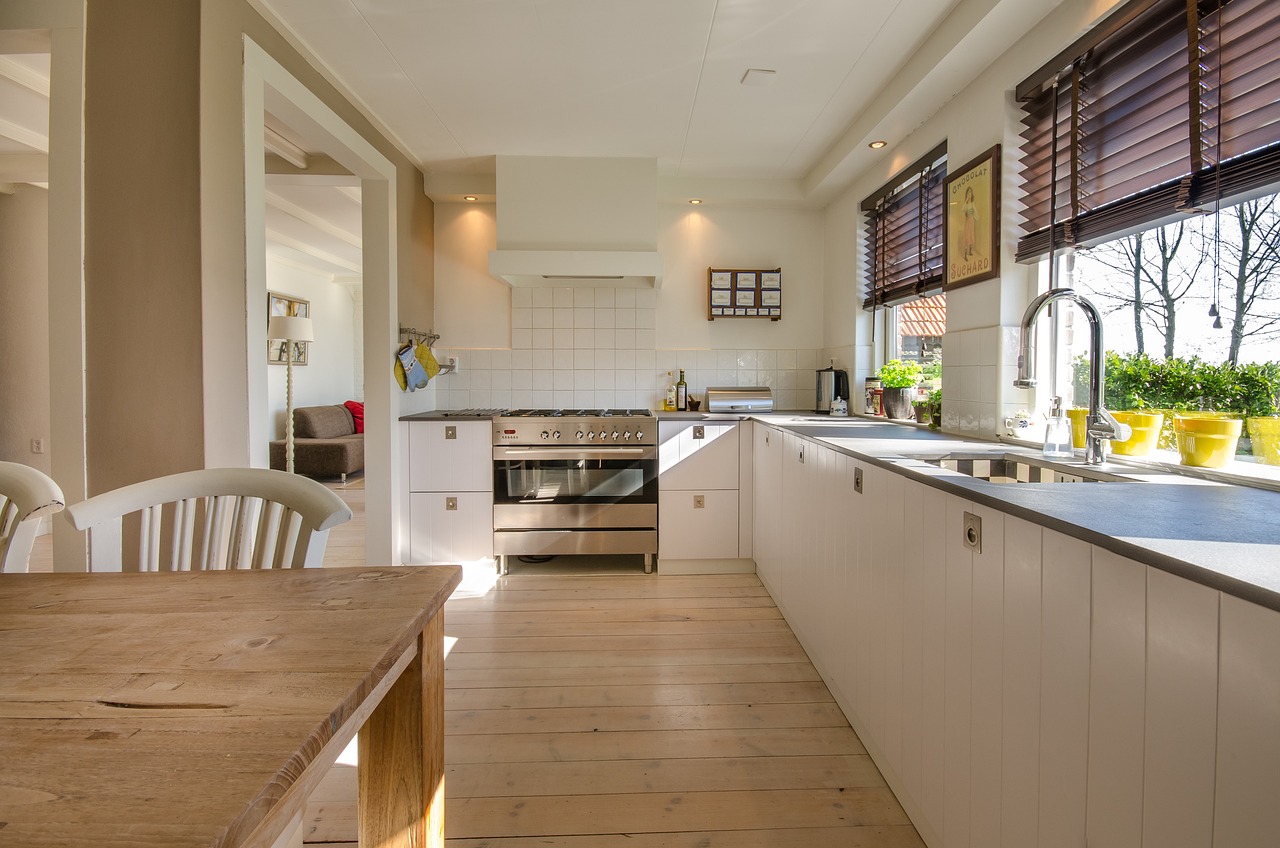
Searching for reliable kitchen renovation contractors near you can feel overwhelming, but you don’t have to guess. Look for local pros with clear portfolios, positive customer reviews, and transparent quotes to find a contractor who fits your style, timeline, and budget.
This guide Kitchen Renovation Contractors Near Me walks you through how to evaluate installers, compare estimates, and plan realistic budgets so you can avoid costly surprises. You’ll learn practical steps to narrow choices, spot red flags, and prepare a scope of work that keeps your project on track.
Selecting the Right Kitchen Renovation Expert
You need a contractor who matches the scope of your project, holds proper credentials, and shows finished work that fits your style and budget. Prioritize verified experience, current licenses and insurance, and a local portfolio you can inspect in person.
Evaluating Experience and Specializations
Look for contractors with direct experience in projects that match your scope: full gut renovations, cabinet refacing, or layout reconfigurations with electrical and plumbing relocations. Ask how many projects of your type they completed in the last 12–24 months and request references from at least three recent clients.
Check for specialized skills—custom cabinetry, tile & stone work, or energy-efficient appliance installation—and verify subcontractor relationships (electricians, plumbers, HVAC). Confirm they manage permits and inspections when scope includes structural changes. Note project scale and timelines they typically meet so you can compare against your schedule and budget.
Checking Credentials and Licensing
Verify that the contractor holds the required state or local contractor license number and that it’s active. Confirm general liability insurance and workers’ compensation coverage; request copies of certificates and confirm coverage dates with the insurer.
Use online license lookup tools or local building department records to confirm complaint history and disciplinary actions. Ask about warranties for labor and materials, and get warranty terms in writing. If your project involves specialized trades (gas lines, structural work), ensure the contractor uses licensed subcontractors and lists them on the contract.
Comparing Local Portfolios
Request a portfolio with recent local projects and photos showing before, during, and after stages. Prioritize projects completed in similar homes—similar square footage, age, and kitchen layout—so you see realistic outcomes and potential issues faced.
Visit at least one completed job or talk directly to a past client to verify workmanship, adherence to schedule, and cleanup practices. Create a simple comparison table to rate bidders on: project type match, warranty terms, timeline accuracy, price transparency, and client references. Use that table to make an evidence-based choice rather than relying on one impressive showroom photo.
Budgeting and Planning Your Kitchen Remodel
Plan your budget around major line items and set timelines that protect your daily routine. Know where costs will concentrate and build buffers for unexpected issues.
Understanding Cost Factors
Focus on the elements that typically drive price: cabinets, countertops, labor, appliances, and plumbing/electrical changes. Cabinets and installation often take 25–35% of the budget; high-end custom cabinets push that higher. Countertops vary widely by material—laminate and quartz are midrange, while natural stone and butcher block cost more.
Labor rates depend on your local market and the contractor’s trade mix; expect higher hourly or project bids in metro areas. Include permits, disposal, and any structural work such as removing walls, which can add thousands.
Set aside a contingency of 10–20% for hidden issues like rotten subfloor, outdated wiring, or plumbing failures. Track costs in a simple spreadsheet with columns for estimate, actual, paid, and vendor contact to avoid surprises.
Setting Realistic Timelines
Create a timeline that sequences design, permitting, demolition, rough trades, finishes, and inspections. Design and permit approval can take 2–8 weeks; demolition through rough-in commonly runs 2–4 weeks; finishes and inspection often add another 2–4 weeks.
Factor in lead times for appliances, custom cabinets, and specialty countertops—these can add 4–12 weeks. Plan for buffer days between trades to prevent delays from cascading.
Communicate milestone dates with your contractor and get key deadlines in writing. If you need a temporary kitchen setup, budget at least one month for disrupted cooking and factor the cost of temporary accommodations into your plan.