


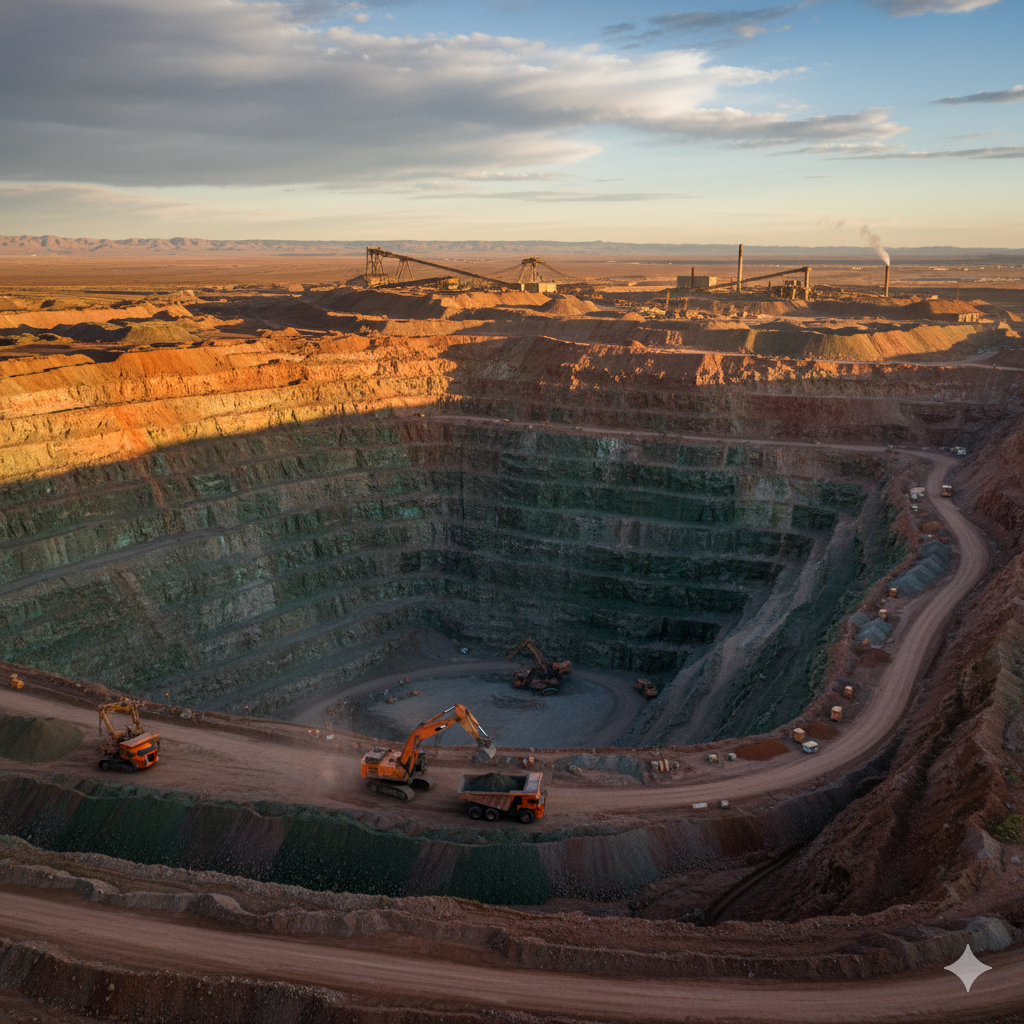
You can gain exposure to copper as a practical way to tap demand from electrification, renewable energy and construction without betting on any single company. Copper often moves with global industrial growth and supply constraints, so it can diversify portfolios that otherwise lean on tech or bonds.
This article Investing in Copper breaks down what actually drives copper prices, the trade-offs between buying physical copper, miner stocks, ETFs or futures, and how to fit those choices into your risk profile and time horizon. Expect clear comparisons of costs, liquidity and tax implications so you can pick the approach that matches your goals.
Keep an eye on supply disruptions, mine investment cycles and policy-driven demand for green infrastructure—those forces will shape returns more than short-term headlines.
Market Fundamentals and Price Drivers
Copper prices reflect shifts in physical supply, industrial demand, and macro forces. Expect tightness from constrained mine output, growing demand from electrification, and sensitivity to interest rates and the US dollar.
Global Supply and Demand Trends
Global mine production has struggled to keep pace with demand growth, creating a structural deficit in many market forecasts. New large-scale mines are capital-intensive and face long lead times, so incremental supply often lags rising consumption.
Recycling supplies and scrap usage cushion some shortfalls, but recycled copper cannot fully replace freshly mined oxide and sulfide ores needed for certain industrial applications. Stock levels at LME and COMEX offer short-term signals, yet physical premiums and smelter throughput tell a clearer story about near-term tightness.
Demand growth centers on electrical wiring, construction, and rapidly expanding use in EVs, batteries, and renewable infrastructure. China remains the dominant demand driver, but electrification in Europe and the Americas is adding meaningful incremental tonnage.
Major Producers and Consumers
Chile and Peru dominate mine output, supplying a large share of global refined copper. Any operational disruption—labor strikes, water shortages, or regulatory changes—in those countries can move prices quickly.
China serves as the largest consumer and refiner; its imports, inventory behavior, and scrap flows heavily influence global balances. Other important players include Indonesia and the Democratic Republic of Congo for copper resources, and the United States and Germany for critical downstream manufacturing.
Large integrated miners (e.g., top global producers) and state-influenced entities can affect investment in new projects through capital allocation and permitting decisions. You should monitor production guidance from major miners and Chinese import/refinery statistics for actionable signals.
Macroeconomic Impact on Copper Prices
Copper trades as both a physical commodity and a macro asset, so monetary conditions matter. Rising real interest rates and a stronger US dollar tend to pressure prices by increasing holding costs and reducing dollar-denominated commodity demand.
Global growth expectations—especially industrial activity in China and construction trends in emerging markets—drive consumption forecasts and near-term price direction. Geopolitical events and trade policies can distort flows, for example by shifting premiums or prompting tariffs on semi-finished products.
Financial participation through ETFs, futures, and hedging by producers adds liquidity but also amplifies volatility when macro sentiment shifts quickly. Watch real yields, dollar strength, and macro PMI data alongside physical indicators for a complete price-signal picture.
Investment Approaches and Portfolio Considerations
You’ll decide between holding physical metal, buying shares of miners, or using ETFs and futures. Match liquidity needs, storage tolerance, tax implications, and your view on copper’s supply/demand fundamentals to the instrument you choose.
Physical Copper vs. Financial Instruments
Physical copper gives you direct ownership and acts as a tangible hedge against currency or deposit risk. You can buy cast bars, cathodes, or industrial wire; expect sizable premiums over spot, storage costs, and limited marketability compared with gold or silver.
Financial instruments remove storage headaches and increase liquidity. Buying mined-company shares exposes you to operational and geopolitical risks; producers can offer dividends but correlate with equity markets. Futures, CFDs, and options provide leverage and precise price exposure but require margin, risk management, and familiarity with rollover mechanics.
Decide by weighing transaction costs, ease of sale, and how long you intend to hold copper. If you need daily liquidity or small allocations, financial instruments typically fit better.
Commodity ETFs and Copper Stocks
Commodity ETFs (or ETCs) that track copper futures offer straightforward price exposure without managing contracts yourself. Look at fund structure: futures-based ETFs will have roll costs and tracking error; physically-backed ETCs seek to hold refined copper but are rarer and often carry higher fees.
Copper mining stocks provide equity-like returns plus operational leverage to metal prices. Use a combination of large-cap diversified miners for stability and junior developers for growth potential. Assess reserves, cash costs per pound, political risk, and balance-sheet strength. Consider ETFs that hold baskets of miners if you prefer diversification without single-stock risk.
Compare expense ratios, liquidity (average daily volume), and whether the vehicle uses derivatives. Align the choice with tax treatment in your jurisdiction—ETFs and stocks often have different capital gains and income profiles.
Risks and Volatility Management
Copper prices reflect industrial demand cycles, especially construction and electrification trends, making them cyclical and sensitive to global growth data. Short-term moves can be driven by inventory changes at exchanges, macroeconomic news, and speculative positioning.
Manage volatility with position sizing, stop limits, and diversification across asset classes. If using futures or leveraged products, cap leverage and monitor margin requirements closely. For miner equity exposure, hedge operational risks through geographic and commodity diversification within your portfolio.
Stress-test exposures: model scenarios such as a 30% price drop or supply shock from a major producing region. Maintain a clear exit plan and rebalance rules so copper remains a deliberate, measured part of your overall allocation.